

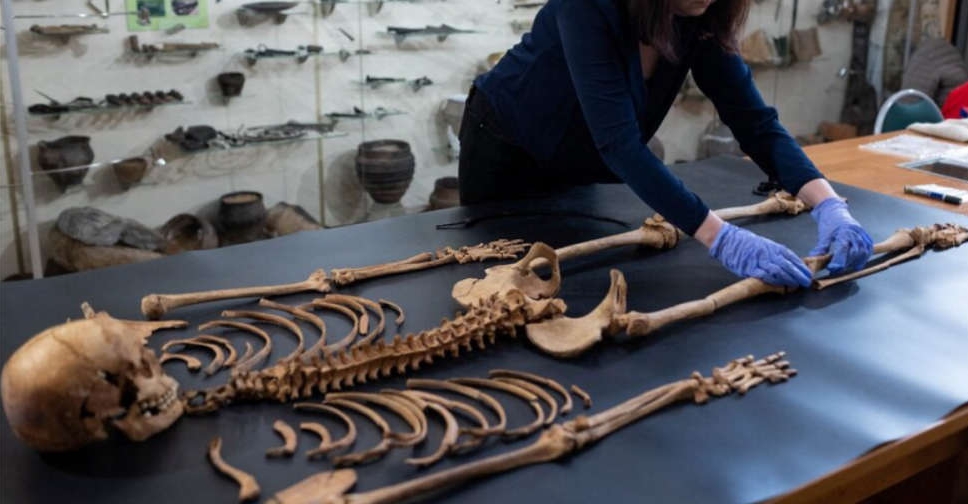
Buried with a padlock on her foot and an iron sickle across her neck, "Zosia" was never supposed to be able to come back from the dead.
Entombed in an unmarked cemetery in Pien, northern Poland, the young woman was one of dozens feared by her neighbours to have been a "vampire".
Now, using DNA, 3D printing and modelling clay, a team of scientists has reconstructed Zosia's 400-year-old face, revealing the human story buried by supernatural beliefs.
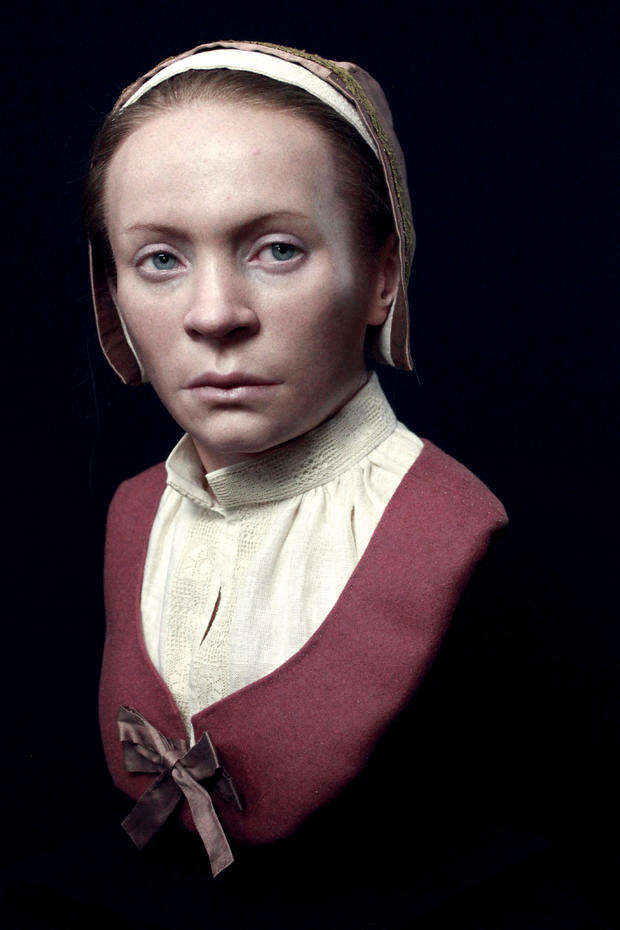
Photo: A 3D reconstruction of Zosia's face, via Oscar Nilsson - Project Pien
"It's really ironic, in a way," said Swedish archaeologist Oscar Nilsson. "These people burying her, they did everything they could in order to prevent her from coming back from the dead... we have done everything we can in order to bring her back to life."
Zosia, as she was named by locals, was found in 2022 by a team of archaeologists from Torun's Nicolaus Copernicus University.
Aged 18-20 when she died, analysis of Zosia's skull suggests she suffered from a health condition which would have caused fainting and severe headaches, as well as possible mental health issues, Nilsson said.

 Vespa riders take to roads in Rome to mark 80th birthday
 The president will see you now: Mexico's World Cup duck meets Sheinbaum
 Scientists decipher ancient origins of the Euphrates River
 Denied US visa to watch World Cup? Get free TV, says Argentine company
 Xi gives Trump rare tour of secret garden at heart of Chinese government