

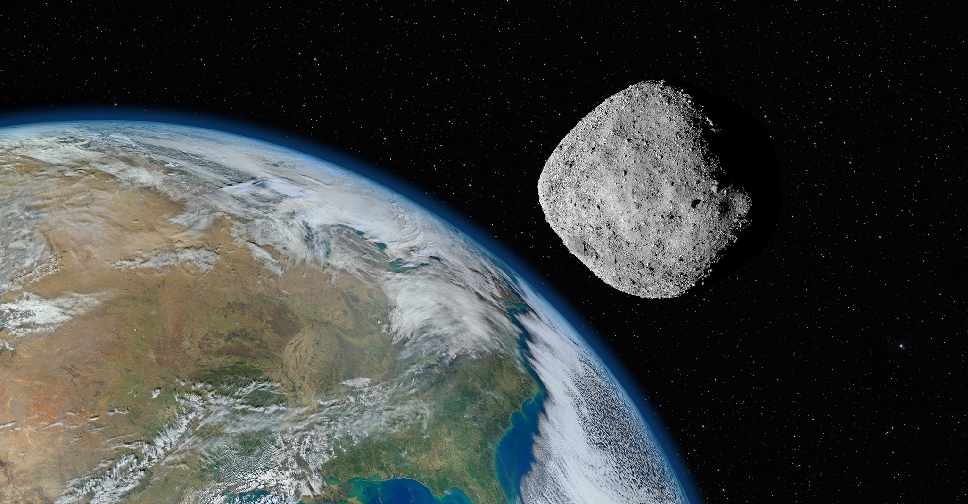
Five asteroids, one the size of a house, three the size of a plane, and one the size of a bus, will fly past Earth, according to NASA's Asteroid Watch dashboard.
Despite coming within 4.6 million miles of Earth, none of the asteroids are expected to pose a threat to the planet, NASA confirmed.
The largest asteroid in the group, dubbed 2023 QY6, is approximately 200 feet wide, roughly the dimension of a residential building. Travelling at a breakneck speed of 18,000 miles per hour, this mammoth will make its appearance on September 10.
The remaining four asteroids, although notably smaller, also offer exciting opportunities for scientists and space enthusiasts around the globe. These tiny space rocks are mere meters in size but their encounters provide invaluable data for astronomical research and future space missions.
While the thought of asteroids flying by Earth might seem daunting, it's worth noting that these occurrences are quite typical in space and are constantly monitored by international space agencies.


 Scientists make potential breakthrough in search for dark matter
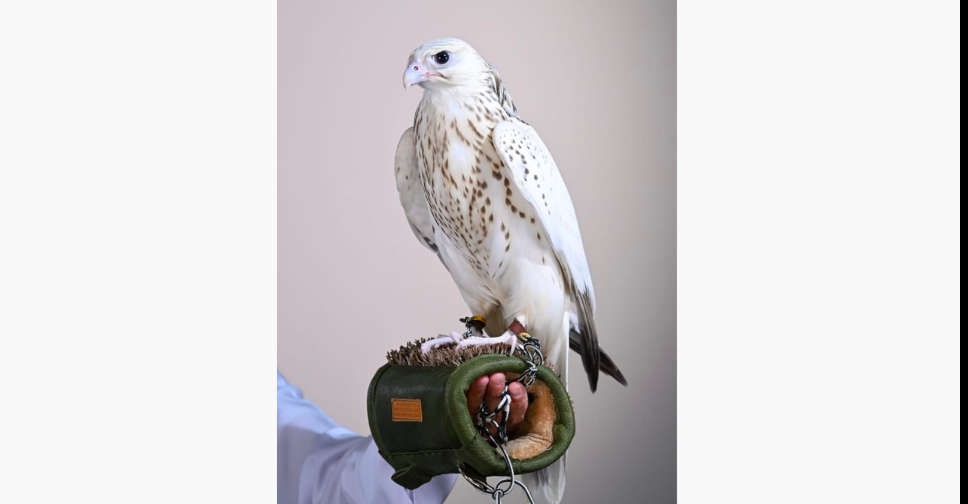 Ultra-white falcon fetches AED1.5 million at Abu Dhabi auction
 Dolly Parton's legacy lives on through book deliveries to kids
 Robot Olympics ends with humanoid's 8.64-second 100m
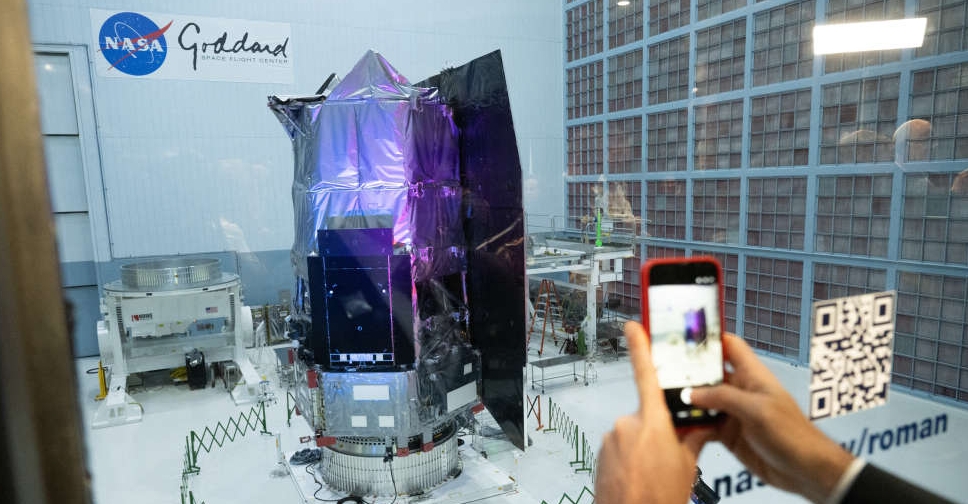 New NASA telescope to probe dark energy, dark matter and exoplanets