
The virus is endemic in some animal populations in several countries, leading to occasional outbreaks among local people and travellers.
WHO and partners are working to understand better the extent and cause of an outbreak of monkeypox.
The recent outbreaks reported across 11 countries are atypical, as they are occurring in non-endemic countries.
There are about 80 confirmed cases so far and 50 pending investigations. More cases are likely to be reported as surveillance expands.
WHO is working with the affected countries and others to expand disease surveillance to find and support people who may be affected and provide guidance on managing the disease.
"We continue to convene meetings of experts and technical advisory groups, such as the meeting today of the Strategic & Technical Advisory Group on Infectious Hazards with Pandemic and Epidemic Potential (STAG-IH) to share information on the disease and response strategies," they said in a statement on their website.
WHO continues to receive updates on the status of ongoing outbreaks in endemic countries.
Monkeypox spreads differently from COVID-19. Therefore, WHO encourages people to stay informed from reliable sources, such as national health authorities, on the extent of the outbreak in their community (if any), symptoms and prevention.
As monkeypox spreads through close contact, the response should focus on the people affected and their close contacts. People who closely interact with someone who is infectious are at greater risk for infection: this includes health workers, household members and sexual partners.
As the situation is evolving, WHO will continue to provide updates as they learn more.


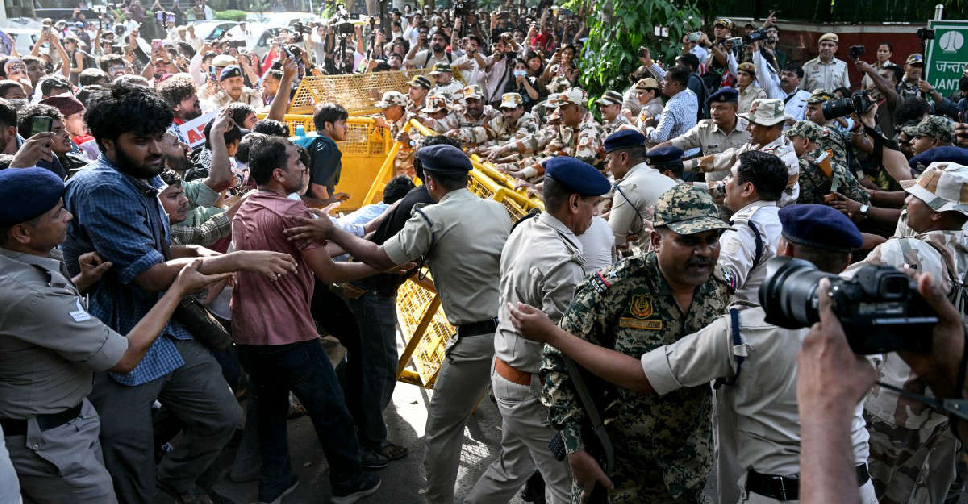 Several people detained in India's Gen Z-led protests against voter roll changes
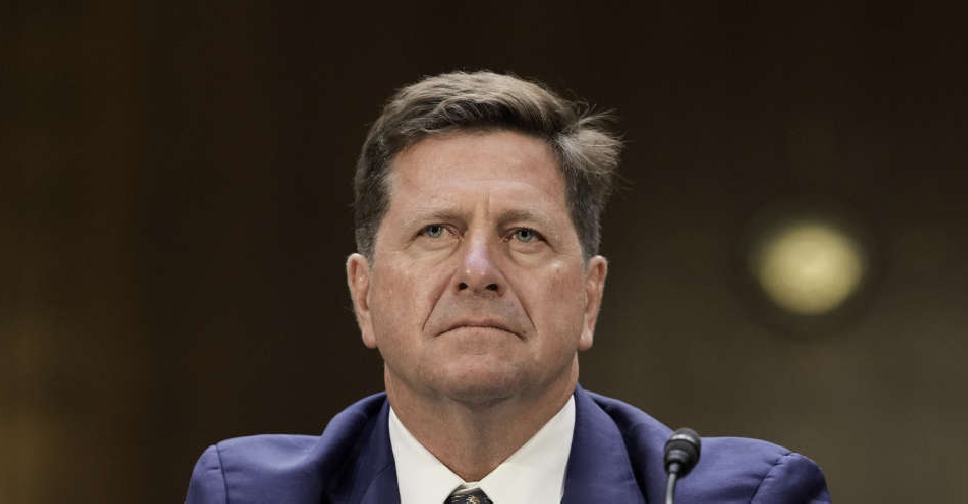 Trump names intelligence chief as AI czar
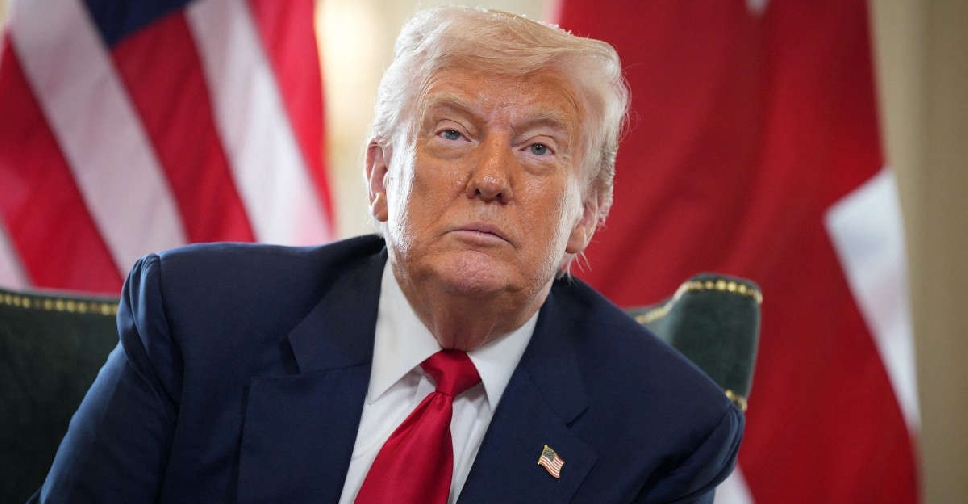 Trump shares Republican senator's phone number in feud over time switch
 Saudi Arabia says shrapnel from intercepted ballistic missile in Asir injures one
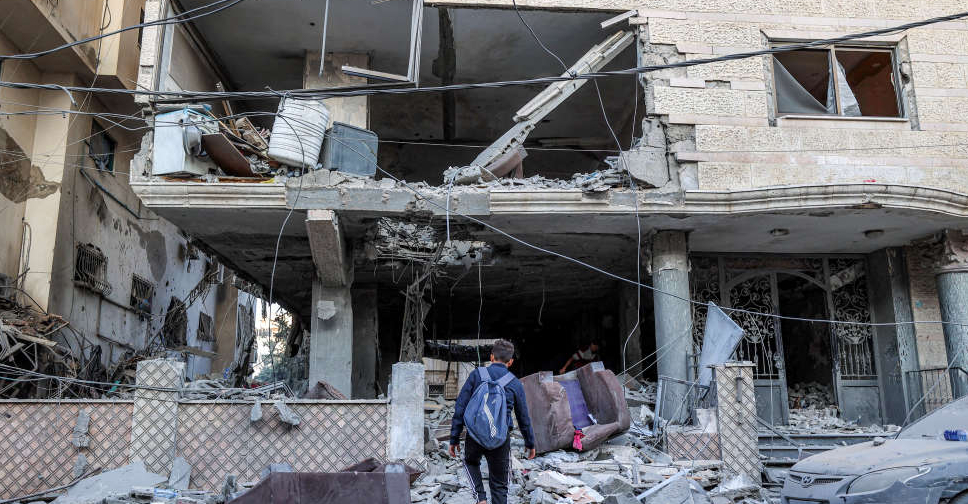 Israeli strike kills five in Gaza, health officials say